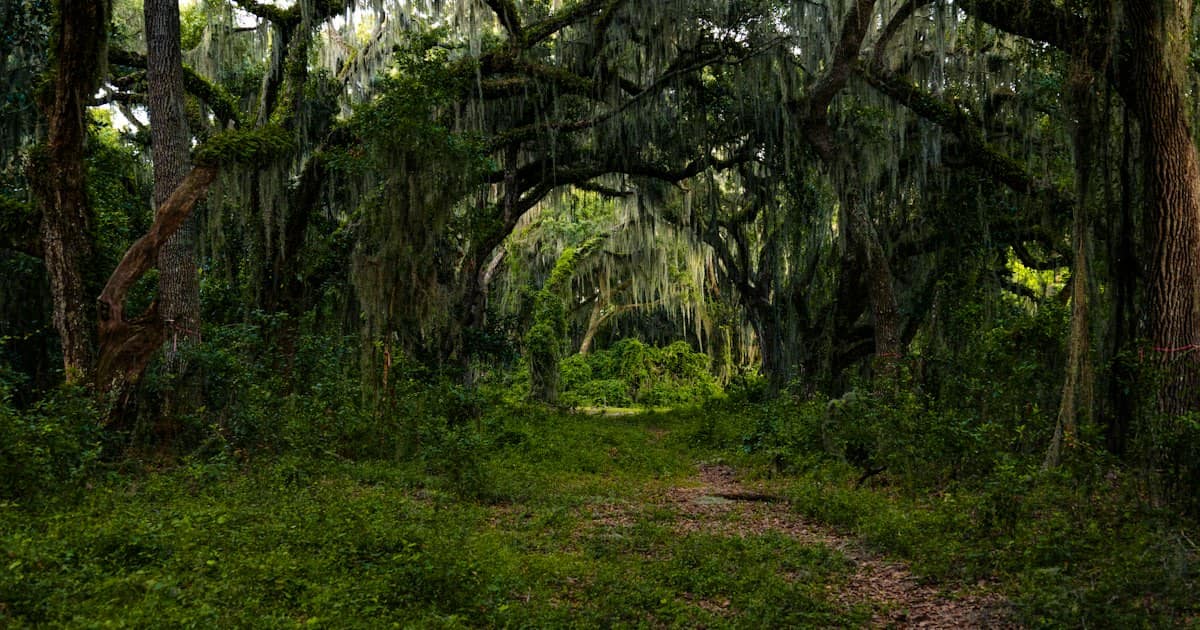
Why Florida Is One of the Most Popular States for Land Buyers
Florida consistently ranks among the top states for vacant land purchases in the United States. With no state income tax, a year-round warm climate, and a growing population, the Sunshine State offers a unique combination of affordability and opportunity for land buyers. Every lot we have in the state is on one page: land for sale in Florida. If you are shopping on a budget, start with our cheap land for sale in Florida, sorted by cash price.
Whether you're planning to build a home, hold land as an investment, or secure a lot for future retirement, Florida has options across every price range — from rural acreage in the Panhandle to residential lots near the coast.
But buying land in Florida also comes with unique considerations that differ from other states. Understanding property taxes, homestead exemptions, flood zones, and local zoning is essential to making a smart purchase.
Florida's No-Income-Tax Advantage
Florida is one of only nine states with no personal state income tax. This means more money stays in your pocket — whether you're earning income from a business on your land, renting it out, or simply saving by not paying state taxes on your wages.
This tax advantage is one of the biggest drivers of population growth in the state, which in turn drives land values upward over time.
Property Taxes in Florida: What Land Buyers Need to Know
How Florida Property Taxes Work
Florida funds local services — schools, roads, fire departments — through property taxes. The tax rate varies by county, but the statewide average effective rate is approximately 0.86% of assessed value, which is close to the national average.
For vacant land, assessed values are typically lower than for improved (built-on) property, which means your annual tax bill on raw land is often quite manageable.
| County | Avg. Effective Tax Rate | Example: $30,000 Parcel |
|---|---|---|
| Polk | ~1.02% | ~$306/year |
| Highlands | ~0.90% | ~$270/year |
| Charlotte | ~0.89% | ~$267/year |
| Putnam | ~0.95% | ~$285/year |
| Marion | ~0.93% | ~$279/year |
Tax rates shown are approximate and change annually. Contact the county property appraiser for current rates on a specific parcel. The Florida Department of Revenue also provides county-by-county data on their website.
The Homestead Exemption
Florida's homestead exemption is one of the most generous in the country. If you build a primary residence on your land and declare it as your homestead, you can receive:
- Up to $50,000 off your property's assessed value for tax purposes
- The "Save Our Homes" cap — limits annual assessment increases to 3% or CPI (whichever is lower) once homesteaded
- Creditor protection — Florida's constitution provides significant creditor protections for homesteaded property, though exceptions apply (including property tax liens, mortgages, and certain other claims). Consult a Florida attorney for details.
This means a home assessed at $250,000 would only be taxed on $200,000 of value — saving you hundreds of dollars per year in property taxes. The Save Our Homes cap becomes even more valuable over time as property values rise, because your taxable value stays anchored to a lower baseline.
The homestead exemption only applies to your primary residence — not vacant land by itself. But if your long-term plan is to build and live on the property, buying affordable land now and building later lets you lock in a lower purchase price and eventually benefit from the full homestead exemption.
Flood Zones: A Critical Factor in Florida
Florida's flat terrain, heavy rainfall, and coastal exposure make flood zones a reality for much of the state. Before buying any parcel, checking the FEMA flood zone designation is non-negotiable.
Common Flood Zones in Florida
- Zone X (unshaded) — Minimal risk. This is what most buyers look for.
- Zone X (shaded) — Moderate risk. Between the 100-year and 500-year flood levels.
- Zone A / AE — Within the 100-year floodplain. Flood insurance is required for federally financed structures, and building may require elevated foundations.
- Zone VE — Coastal flood zone. Subject to wave action and storm surge. Additional construction standards apply.
What This Means for Your Purchase
A parcel in Zone X is generally straightforward — no mandatory flood insurance and fewer building restrictions. A parcel in Zone A or AE is common throughout Florida due to the state's flat terrain and water table — it doesn't mean the land floods regularly, but you should factor in potential flood insurance costs (premiums vary under FEMA's Risk Rating 2.0 methodology, so request a quote for the specific parcel) and any elevated construction requirements if you plan to build. Many Florida homeowners live in Zone A/AE areas and simply carry flood insurance as part of their standard costs.
At Terra Prime Lots, we include the flood zone designation on every Florida listing so you can make an informed decision before reaching out.
Hurricane and Wind Considerations
Beyond flooding, Florida's building codes account for hurricane-force winds. The Florida Building Code requires structures to meet specific wind-speed ratings depending on location. Coastal and southern Florida parcels have higher wind-speed requirements, which can increase construction costs. This doesn't affect vacant land directly, but it's worth knowing for future building plans.
Ready to Buy Land?
Browse available properties with owner financing. No credit check, no hidden fees.
See cheap land for sale in FloridaZoning and Land Use in Florida
How Florida Handles Zoning
Zoning is managed at the county level in Florida. Each county has a comprehensive land use plan that designates what you can and can't do with a parcel. Common zoning categories include:
- Residential — single-family homes, sometimes mobile/manufactured homes
- Agricultural — farming, ranching, and in some counties, a single residence
- Commercial — retail, office, or mixed-use development
- Conservation — restricted use, often wetlands or protected habitat
Key Zoning Questions to Ask
Before purchasing any Florida parcel, confirm:
- What is the current zoning? Check the county's property appraiser or zoning office.
- Can you build what you want? Some residential zones allow mobile homes; others don't.
- Are there setback requirements? These define how far structures must be from property lines.
- Is the parcel in a HOA or deed-restricted community? Some subdivisions have covenants that restrict use beyond what the county requires.
- Are utilities available? Some rural parcels require well and septic instead of municipal water and sewer.
In Florida, many rural parcels are zoned agricultural even if they're in residential subdivisions. Agricultural zoning is often more permissive — but always verify with the county what structures and uses are allowed on the specific parcel you're considering.
Wetlands and Environmental Restrictions
Florida has extensive wetlands, and state and federal regulations protect them. If your parcel contains or borders wetlands, you may need additional permits from the Florida Department of Environmental Protection or the Army Corps of Engineers before any land clearing or development.
A wetlands delineation survey can identify exactly where protected areas lie on a parcel. This is especially important in counties like Polk, Highlands, and Osceola where wetland areas are common.
Tips for Buying Land in Florida
1. Verify Access
Make sure the parcel has legal road access. Some Florida parcels — especially in rural areas — may be landlocked or only accessible via easement through another property. Confirm this before purchasing.
2. Check for Back Taxes
Florida counties auction off tax deed properties when taxes go unpaid. Before buying from any seller, confirm there are no outstanding tax liens on the parcel through the county tax collector's office.
3. Understand the Closing Process
Florida land closings are typically handled by title companies or real estate attorneys. A title search confirms clear ownership, and title insurance protects against undiscovered claims.
4. Consider Owner Financing
Traditional banks rarely lend on vacant land, and when they do, they require large down payments and high interest rates. Owner financing — where the seller acts as the lender — is the most common way to buy affordable Florida land. At Terra Prime Lots, we offer seller financing through a mortgage and promissory note. You receive a warranty deed at closing — the deed, mortgage, and note are all recorded with the county at the same time, and the property goes into your name immediately. No credit check required, with affordable down payments and fixed monthly payments. All transactions are handled through a licensed title company, and buyers are welcome to have an attorney review all documents.
5. Visit or Research the Area
If possible, visit the parcel before purchasing. If you can't visit in person, use Google Earth, county GIS maps, and street view to get a clear picture of the terrain, surroundings, and access roads.
The Bottom Line
Florida offers some of the best opportunities in the country for vacant land buyers — an attractive tax structure, growing demand, and a wide variety of parcels at every price point. But the state's unique flood risks, zoning landscape, and environmental regulations mean doing your homework is essential.
Check the flood zone. Verify the zoning. Understand the taxes. And when you're ready, explore the properties available through Terra Prime Lots — we provide detailed property information including flood zones, zoning, and tax data on every listing to help you make an informed decision. We always recommend buyers conduct their own independent due diligence as well.
Sources & References
This article is for informational purposes only and does not constitute legal, financial, or tax advice. Laws, tax rates, and regulations vary by state and change over time. Terra Prime Lots is a land sales company, not a licensed legal, financial, or tax advisor. Consult qualified professionals before making real estate, investment, or tax decisions.
Related Articles

Buying Land in Nevada: Desert Lots and Investment Potential
Explore what makes Nevada a smart choice for buying land — from low property taxes and BLM-adjacent parcels to water rights and desert lot considerations.
Read Article
Buying Land in Marion County, FL: Complete 2026 Guide
Everything to know about buying vacant land in Marion County, FL — Ocala, taxes, zoning, flood zones, World Equestrian Center area, and how to make a smart purchase.
Read Article
Is Vacant Land a Good Investment? Pros, Cons, and Returns
Wondering if vacant land is worth investing in? We break down the real pros, cons, appreciation potential, and how land compares to other investments.
Read Article