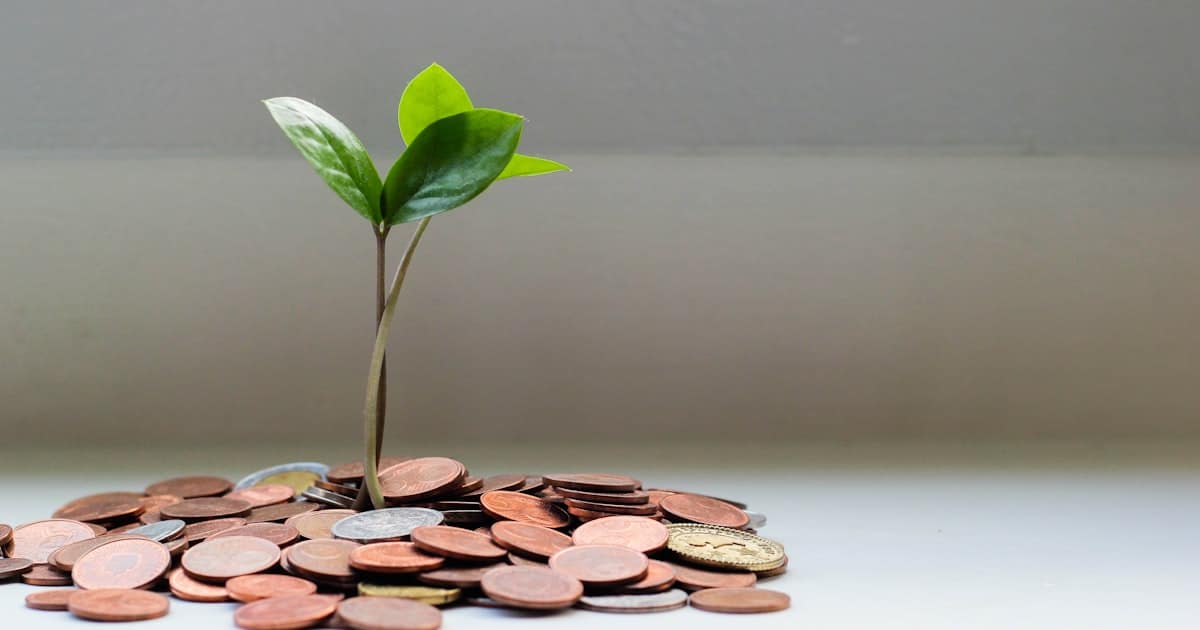
Why Down Payments Matter for Land Purchases
A down payment is the upfront cash you pay when purchasing a property. It reduces the total amount you need to finance and shows the seller (or lender) that you are financially committed to the deal. Our no credit check land for sale shows three down payment options on every lot, so you can see how each one changes the monthly payment.
For land purchases specifically, down payments play an outsized role. Unlike homes — where bank loans with 3% to 5% down are common — land purchases typically require significantly more money upfront, especially when working with traditional lenders. Understanding why, and knowing your options, can save you thousands and prevent sticker shock.
Typical Down Payment Ranges
The amount you will need to put down depends on two things: the type of land and the type of financing you use.
Bank Loan Down Payments
Banks view vacant land as a higher-risk asset. There is no house to serve as collateral, and vacant land is harder to resell quickly if the borrower defaults. As a result, down payment requirements for bank-financed land are steep:
| Land Type | Typical Bank Down Payment |
|---|---|
| Raw land (no utilities, no road access) | 35% – 50% |
| Unimproved land (some infrastructure) | 25% – 35% |
| Improved land (utilities, road access) | 20% – 25% |
For a $50,000 parcel of raw land, that means a bank could require $17,500 to $25,000 upfront — a significant barrier for many buyers.
Owner Financing Down Payments
Owner-financed land deals typically require far less money upfront because the seller carries the risk instead of a bank. In many cases, the seller already owns the property free and clear, so their risk calculation is different.
| Financing Type | Typical Down Payment |
|---|---|
| Owner financing | 10% – 20% |
| Cash purchase | 100% (no financing needed) |
For that same $50,000 parcel, owner financing might require just $5,000 to $10,000 down — making land ownership accessible to a much broader range of buyers.
At Terra Prime Lots, we offer multiple down payment options on every property — typically 10%, 15%, or 20%. A larger down payment means lower monthly payments, so you can choose the option that best fits your budget.
What Affects Your Down Payment Amount
Several factors influence how much you will need to put down. Understanding these can help you plan and budget more effectively.
1. Purchase Price
This is the most obvious factor. Your down payment is a percentage of the total purchase price, so a more expensive property means a larger dollar amount upfront — even at the same percentage.
Example at 15% down:
- $20,000 property = $3,000 down
- $50,000 property = $7,500 down
- $100,000 property = $15,000 down
2. Financing Method
As shown above, bank loans demand larger down payments than owner financing. Your choice of financing is often the single biggest factor in how much cash you need upfront.
3. Land Type and Location
Rural, undeveloped parcels in less populated areas tend to have lower purchase prices and more flexible terms. Suburban or peri-urban lots near growing communities may cost more but also hold their value better.
Banks pay close attention to location when setting down payment requirements. Land in a flood zone, on a steep slope, or without road access will typically require a higher down payment because the bank considers it harder to resell.
4. Your Financial Profile
With bank loans, your credit score, income, and debt-to-income ratio directly impact your terms. A lower credit score means a higher required down payment — if you can qualify at all.
With owner financing, your financial profile matters much less. Most sellers (including Terra Prime Lots) do not run credit checks. Your down payment is set by the agreed terms of the deal, not by your FICO score.
5. Seller Policies
Every seller structures their financing differently. Some offer a single fixed down payment percentage. Others, like Terra Prime Lots, provide tiered options so buyers can choose the upfront amount that works best for their situation.
According to National Association of Realtors data, the median down payment for land purchases in the United States varies widely by region. In rural areas, buyers often find more flexible terms than in suburban or urban fringe markets.
How Owner Financing Lowers the Barrier
Traditional bank loans create a catch-22 for many land buyers. You need a substantial down payment to qualify, but the reason you want financing in the first place is that you do not have a large amount of cash on hand.
Owner financing breaks this cycle in several ways:
Lower percentage required. Most owner-financed deals require 10% to 20% down, compared to 25% to 50% for bank loans. That difference alone can reduce your upfront cost by half or more.
No additional costs. Bank loans come with application fees ($200 to $500), appraisal fees ($300 to $600), origination fees (1% to 2% of the loan), and closing costs. These add up quickly and effectively increase your out-of-pocket costs beyond the down payment itself. Owner financing typically does not require application fees, appraisal fees, or origination fees. Some sellers may charge a documentation or closing fee — ask about all costs upfront.
Flexible arrangements. Some sellers will work with you on the down payment structure. At Terra Prime Lots, we offer tiered options — a smaller down payment means slightly higher monthly payments, while a larger down payment brings your monthly cost down.
Faster to save for. When your target is $3,000 to $5,000 instead of $15,000 to $25,000, you can reach your goal sooner and start building equity in your land faster.
Ready to Buy Land?
Browse available properties with owner financing. No credit check, no hidden fees.
See no credit check land for saleDown Payment vs. Total Cost: What to Consider
A common mistake first-time land buyers make is focusing only on the down payment without considering the total cost of ownership. Here is how to think about it more holistically:
The Trade-Off
A larger down payment means:
- Lower monthly payments
- Less total interest paid (if any)
- Faster payoff timeline
- Stronger equity position from day one
A smaller down payment means:
- More cash stays in your pocket today
- Higher monthly payments
- More flexibility to invest elsewhere
- You start owning land sooner
Neither approach is universally "better" — it depends on your priorities and cash flow.
Example: $40,000 Property with Owner Financing
| Down Payment | Amount | Financed Balance | Approximate Monthly (5-year term) |
|---|---|---|---|
| 10% | $4,000 | $36,000 | ~$600/mo |
| 15% | $6,000 | $34,000 | ~$567/mo |
| 20% | $8,000 | $32,000 | ~$533/mo |
Monthly payment amounts shown are estimates for illustrative purposes only. Actual terms, including any applicable fees, vary by property. See individual listings for exact payment options.
Be cautious of any deal — bank or seller — that requires no down payment at all. A zero-down arrangement may indicate inflated pricing, balloon payments, or unfavorable terms elsewhere in the contract. A reasonable down payment protects both the buyer and the seller.
Government Programs That Can Help
If a down payment is your biggest hurdle, two federal programs are worth exploring:
USDA Rural Development Loans
The USDA offers loan programs for properties in eligible rural areas that can significantly reduce or even eliminate down payment requirements. These loans are designed to promote homeownership in underserved communities and may apply to land purchases with building plans.
Eligibility depends on:
- Location (must be in a USDA-designated rural area)
- Your household income (must fall below area limits)
- Intended use (primary residence only)
FHA and VA Considerations
The FHA and VA loan programs that offer low down payments for homes generally do not apply to raw land purchases. However, if you plan to build a home on the land, FHA and VA construction-to-permanent loans may be an option — though these require detailed building plans and approved contractors.
Government program terms, eligibility requirements, and covered areas change periodically. Visit each program's official website or consult a mortgage professional for current information.
Tips for Saving Your Down Payment
If you are working toward a down payment, these strategies can accelerate your timeline:
- Set a specific target. Know exactly how much you need. Browse properties in your price range and calculate 10% to 15% of the purchase price.
- Automate savings. Set up automatic transfers to a dedicated "land fund" account.
- Reduce one recurring expense. Cutting $200/month from discretionary spending puts you $2,400 closer to your goal every year.
- Consider a smaller parcel. If your dream acreage is out of reach today, a smaller lot with a lower price point may require a down payment you can manage now.
- Watch for promotions. Some sellers occasionally offer reduced down payment specials on select properties.
The Bottom Line
Down payments for land purchases range dramatically depending on your financing method. Bank loans can demand 25% to 50% upfront, putting land out of reach for many buyers. Owner financing typically requires just 10% to 20%, making land ownership far more accessible.
At Terra Prime Lots, we believe the down payment should be a stepping stone, not a roadblock. That is why we offer flexible options on every property so you can choose the plan that fits your budget and start building toward ownership today.
Sources & References
This article is for informational purposes only and does not constitute legal, financial, or tax advice. Laws, tax rates, and regulations vary by state and change over time. Terra Prime Lots is a land sales company, not a licensed legal, financial, or tax advisor. Consult qualified professionals before making real estate, investment, or tax decisions.
Related Articles
Owner Financing vs. Bank Loans: Which Is Right for You?
Compare owner financing and bank loans for land purchases. Learn the differences in credit requirements, speed, flexibility, and costs to find the best option.
Read Article
How Does Owner Financing Work on Land?
Learn how owner financing makes buying vacant land accessible — no banks, no credit checks. Understand the process, typical terms, and why it's a smart alternative for land buyers.
Read Article
Buying Land in Marion County, FL: Complete 2026 Guide
Everything to know about buying vacant land in Marion County, FL — Ocala, taxes, zoning, flood zones, World Equestrian Center area, and how to make a smart purchase.
Read Article