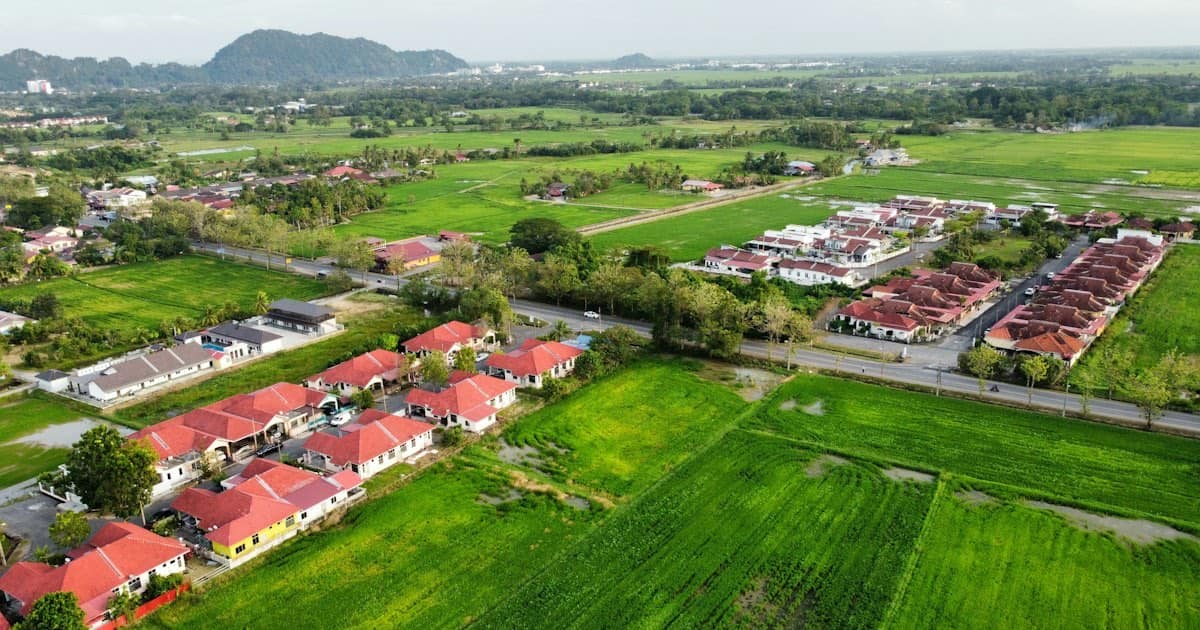
What Is Zoning and Why Should You Care?
Zoning is the set of local government rules that dictate how a piece of land can be used. Most land in the United States falls under some form of zoning classification, though some rural areas and municipalities (notably Houston, Texas) have no formal zoning. Even without zoning, deed restrictions or state-level regulations may limit how land can be used. Where zoning does apply, that classification determines what you can and cannot do with the property. If your plan is a manufactured home, our mobile home lots for sale in Florida lists only lots whose county code allows it.
Before you buy land, zoning should be one of the first things you check — because it controls whether you can build a house, start a farm, operate a business, or even park an RV on your property.
Think of zoning as the rulebook for your land. Buy without reading it, and you might discover that your plans are not allowed.
The Main Zoning Categories
While zoning codes vary from county to county, most fall into a few broad categories. Here is what each one means for you as a buyer.
Residential Zoning
Residential zoning designates land for housing. Within this category, there are several subcategories. The codes below are common examples. Your county may use different designations — always check with your local planning department.
- R-1 (Single-Family Residential): One detached home per lot. This is the most common residential zoning.
- R-2 (Two-Family Residential): Allows duplexes or two separate dwellings on one lot.
- R-3 (Multi-Family Residential): Allows apartment buildings, townhomes, and higher-density housing.
What residential zoning typically allows:
- Building a primary residence
- Accessory structures (garages, sheds, workshops)
- Home offices (with restrictions)
- Gardens and personal landscaping
What residential zoning typically restricts:
- Commercial businesses open to the public
- Livestock beyond a small number of personal-use animals
- Industrial activity
- Short-term rentals (varies by jurisdiction)
If you are buying land to build your home, R-1 zoning is usually what you want. It is the simplest and most straightforward zoning type, with the fewest restrictions on single-family residential construction.
Agricultural Zoning
Agricultural zoning (often coded as "A" or "AG") is designed for farming, ranching, and other agricultural uses. This zoning type is common in rural counties and usually covers larger parcels.
What agricultural zoning typically allows:
- Farming and crop production
- Livestock and animal husbandry
- A primary residence (farmhouse)
- Barns, silos, and agricultural outbuildings
- Some home-based businesses (farm stands, agritourism)
What agricultural zoning typically restricts:
- Subdividing land into small residential lots
- Commercial retail or office buildings
- High-density housing
- Industrial manufacturing
Agricultural zoning often comes with larger minimum lot sizes — sometimes 5, 10, or even 40 acres — and may include right-to-farm protections that shield farmers from nuisance complaints by neighbors.
Mixed-Use Zoning
Mixed-use zoning allows a combination of residential, commercial, and sometimes light industrial uses on the same property or within the same area. This is less common for vacant rural land but increasingly popular in growing communities.
What mixed-use zoning typically allows:
- Residential dwellings above or behind commercial spaces
- Small retail shops and offices
- Restaurants and service businesses
- Live-work spaces
Mixed-use zoning is most relevant if you are purchasing land in or near a town center and plan to combine living space with a small business.
Other Zoning Types
| Zoning Code | Typical Designation | Common Uses |
|---|---|---|
| C or COM | Commercial | Retail stores, offices, restaurants |
| I or IND | Industrial | Manufacturing, warehouses, distribution |
| RR | Rural Residential | Large-lot homes with some agricultural use |
| PUD | Planned Unit Development | Master-planned communities with mixed uses |
| CON | Conservation | Protected land, limited development |
Many rural properties are zoned Rural Residential (RR), which blends elements of both residential and agricultural zoning. RR zoning typically allows you to build a home, keep some animals, and use the land for personal agricultural purposes — making it ideal for buyers who want a homestead lifestyle.
How to Check Zoning Before You Buy
Never assume you know a property's zoning — always verify it. Here are the most reliable ways to check:
1. County Zoning Maps
Most counties publish zoning maps online through their planning department or GIS (Geographic Information System) portal. Search for "[your county name] zoning map" or "[your county name] GIS" to find interactive maps where you can look up any parcel.
2. County Planning or Zoning Department
Call or visit the county planning office. Give them the parcel number (also called an APN — Assessor's Parcel Number), and they can tell you the exact zoning designation and explain what it allows.
3. Property Listing Information
Reputable land sellers include zoning information in their property listings. At Terra Prime Lots, we list the zoning classification for every property so you know exactly what you are buying before you reach out.
4. Title Report
A title report or preliminary title search will often include zoning information along with other property details like liens, easements, and encumbrances.
Zoning can change. A property zoned agricultural today could be rezoned in the future if the area grows. While this sometimes increases property value, it can also introduce new restrictions. Check whether any rezoning proposals are pending in the area before you buy.
Zoning Restrictions You Should Know About
Beyond the broad zoning category, there are additional rules that may affect what you can do with your land:
Setback Requirements
Setbacks dictate how far any structure must be from the property lines. For example, a county might require a 30-foot front setback and 10-foot side setbacks. This means you cannot build right up to the edge of your property.
Building Height Limits
Zoning codes often limit how tall structures can be — typically 35 feet for residential zones. This matters if you plan to build a multi-story home or a tall agricultural building.
Lot Coverage Limits
Some zoning codes limit the percentage of your lot that can be covered by structures. A 30% lot coverage limit means that buildings can only occupy 30% of the total lot area.
Minimum Lot Size
Zoning determines the minimum parcel size for building. If the code requires a minimum of 2 acres for a residential structure, a 1-acre parcel cannot be developed.
Ready to Buy Land?
Browse available properties with owner financing. No credit check, no hidden fees.
See mobile home lots for saleCan You Change Zoning?
Yes, but it is not easy. If you buy land and want to use it for something the current zoning does not allow, you have a few options:
Zoning Variance
A variance is a request to deviate from the zoning rules in a limited way — for example, building a structure closer to the property line than the setback normally allows. Variances are granted on a case-by-case basis and typically require a public hearing.
Conditional Use Permit (CUP)
A CUP allows a use that is not normally permitted under the zoning code but may be acceptable under certain conditions. For instance, operating a small bed-and-breakfast in a residential zone might require a CUP.
Rezoning
Rezoning involves officially changing the zoning designation for a parcel. This is the most complex option, requiring applications, hearings, environmental reviews, and county board approval. It can take months or even years.
Special Use Permits
Some counties offer special use permits for specific activities (like placing a mobile home) that are not broadly allowed under the zoning code but may be approved with conditions.
Zoning and Property Value
Zoning does not just dictate what you can build — it also affects your land's future value:
- Residential zoning near growing areas tends to appreciate as demand for housing increases
- Agricultural zoning may hold steady value or increase if farming becomes more profitable in the region
- Rezoning potential can significantly boost value if a rural parcel becomes eligible for residential or commercial development
- Conservation zoning typically limits value growth since development is restricted
Property values depend on many factors beyond zoning. Past trends do not guarantee future results. Understanding zoning helps you buy land that not only serves your current needs but also positions it well for the future.
The Bottom Line
Zoning is not the most exciting topic in land buying, but it is one of the most important. It determines what you can do with your property, what restrictions you will face, and how your land might appreciate in value.
Before purchasing any parcel, check the zoning designation, understand what it allows, and confirm it aligns with your plans. At Terra Prime Lots, we list the zoning information for every property we sell, so you never have to guess. If you have questions about a specific property's zoning, our team is here to help.
Sources & References
This article is for informational purposes only and does not constitute legal, financial, or tax advice. Laws, tax rates, and regulations vary by state and change over time. Terra Prime Lots is a land sales company, not a licensed legal, financial, or tax advisor. Consult qualified professionals before making real estate, investment, or tax decisions.
Related Articles

Understanding Flood Zones: What FEMA Maps Mean for Land Buyers
Learn how to read FEMA flood maps, understand Zone A, AE, X designations, and what flood zones mean for insurance costs, land value, and your purchase decision.
Read Article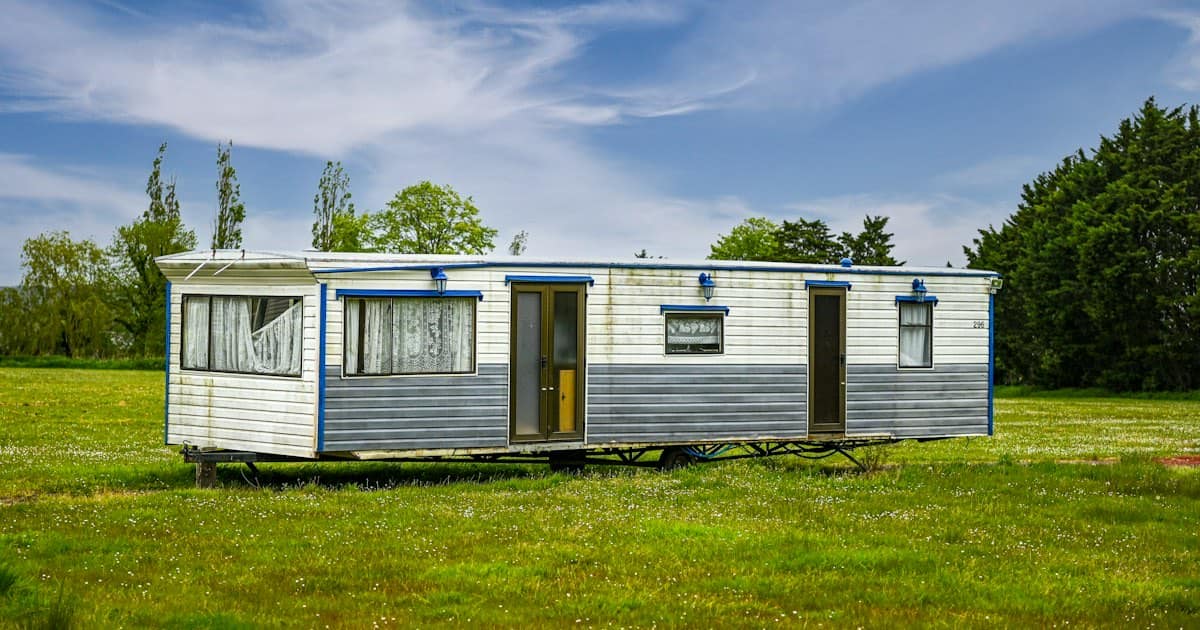
Can You Put a Mobile Home on Your Own Land?
Can you buy a mobile home and put it on your own property? What zoning allows it, HUD code vs manufactured vs modular, permits, utility hookups, and what it costs.
Read Article
Buying Land in Marion County, FL: Complete 2026 Guide
Everything to know about buying vacant land in Marion County, FL — Ocala, taxes, zoning, flood zones, World Equestrian Center area, and how to make a smart purchase.
Read Article